A Brief History of Scotch Eggs
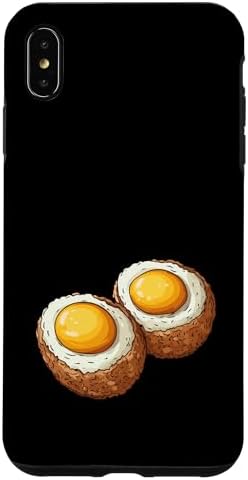
Scotch eggs, a beloved British delicacy, have a rich history that dates back to the 18th century. The origins of this dish are somewhat debated, but it is widely accepted that it was created by the famous London department store, Fortnum & Mason, around 1738. Initially conceived as a portable snack for travelers, Scotch eggs quickly became a popular choice among the gentry, due to their convenient and hearty nature. The traditional preparation involves encasing a hard-boiled egg in seasoned sausage meat, which is then coated in breadcrumbs and deep-fried to perfection.





Over time, Scotch eggs have evolved beyond their initial purpose and have secured a prominent place in British culinary culture, particularly as a staple in pubs and at picnics. Traditionally served cold, these snacks have maintained their status as a quintessential accompaniment to a pint of beer. Variations of this dish have emerged, incorporating different types of protein and spices, making them adaptable to a range of palates. The classic recipe has also faced modern twists, with gourmet versions featuring unique flavor profiles, such as haggis or spicy chorizo.
In the contemporary food scene, Scotch eggs have found a new audience, especially within the vibrant gastronomy landscape of London. Their versatility allows them to be enjoyed in various settings, from high-end bistros to street food markets. As more chefs experiment with ingredients and presentation, the Scotch egg continues to gain recognition for its deliciousness and culinary versatility. Nevertheless, the traditional Scotch egg is a testament to British ingenuity, representing centuries of culinary tradition while seamlessly fitting into today’s evolving food culture.
Top Spots for Scotch Eggs in London
London is known for its culinary diversity, and when it comes to Scotch eggs, the city boasts a myriad of exceptional establishments that offer this beloved British snack. Below are some of the top spots where you can enjoy Scotch eggs, each with its own unique flair and atmosphere.
1. The Ginger Pig
Address: 8-10 Moxon Street, Marylebone, London W1U 4EW
Opening Hours: Monday to Friday 8:00 AM – 10:00 PM, Saturday 9:00 AM – 10:00 PM, Sunday 9:00 AM – 5:00 PM
The Ginger Pig is a renowned butcher and restaurant with an impressive reputation for its artisanal Scotch eggs, made using local, free-range pork and organic eggs. Their classic version is encased in a perfectly seasoned sausage meat, with a crisp, golden breadcrumb exterior that will surely impress any palate.
2. The Harwood Arms
Address: 149 Walham Grove, Fulham, London SW6 1QP
Opening Hours: Monday to Friday 12:00 PM – 10:00 PM, Saturday 11:00 AM – 10:00 PM, Sunday 11:00 AM – 9:00 PM
A Michelin-starred gastropub, The Harwood Arms presents an elevated take on the Scotch egg. Here, you’ll find a game version, typically using venison or wild boar for an exciting twist. The rustic yet chic interior and expertly crafted dish make it a must-visit for Scotch egg enthusiasts.
3. Borough Market
Address: 8 Southwark St, London SE1 1TQ
Opening Hours: Monday to Sunday 10:00 AM – 5:00 PM
At Borough Market, you’ll discover a variety of gourmet food stalls, including those specializing in Scotch eggs. The stallholders often present creative variations, such as spicy chorizo or smoked salmon, allowing visitors to experience diverse flavors while soaking in the vibrant market atmosphere.
4. The Spurstowe Arms
Address: 1 Spurstowe Terrace, Hackney, London E8 1LS
Opening Hours: Monday to Sunday 12:00 PM – 11:00 PM
This traditional pub offers a cozy environment for enjoying their “Scotch egg on toast” rendition. Their version features a runny yolk and is complemented by a zingy homemade chutney, providing a delightful contrast in flavors. It’s a favored spot among local patrons.
Each of these establishments presents its own unique interpretation of the classic Scotch egg, making them prime destinations for both traditionalists and those seeking innovative flavors. Whether in a pub, market, or a gourmet eatery, the experience of enjoying a Scotch egg in London is certainly not to be missed.
What Makes a Great Scotch Egg?
A superior Scotch egg is characterized by several key elements, each playing a critical role in elevating this traditional dish from simple to exceptional. One of the foremost factors is the quality of ingredients. The type of sausage meat used is crucial; a flavorful, high-quality sausage can significantly enhance the overall taste. Many aficionados recommend using a blend of pork with aromatic herbs and spices that complement the dish, creating a savory balance that delights the palate.
The freshness of the eggs also cannot be overstated. Each Scotch egg begins with a perfectly boiled egg—ideally soft or medium-boiled with a creamy yolk that adds richness to each bite. Fresh eggs not only provide the ideal texture but also contribute to the overall flavor. Opting for free-range or organic eggs can make a discernible difference, as they are often richer and more flavorful than conventional options.
The frying technique employed is equally essential in achieving a great Scotch egg. Deep-frying should be done at the right temperature to ensure a crispy, golden-brown coating without absorbing excess oil. Achieving the perfect crunch requires a delicate balance—too little time may result in a soggy exterior, while overcooking may lead to a tough texture. A careful method that employs breadcrumbs or crushed crackers can also enhance the crispiness, providing an exciting textural contrast to the soft interior.
Flavor combinations are another aspect that can elevate the experience. Unique twists, such as incorporating spices or herbs into the sausage mix or adding a layer of cheese, can create delightful flavor profiles that surprise and intrigue. When tasting Scotch eggs, pay attention to the harmony between the flavors and the contrasting textures, ensuring an enjoyable culinary experience.
Pairing Drinks with Scotch Eggs
Enjoying Scotch eggs is not merely about savoring their distinct flavor; it’s also about selecting the right beverages to enhance the overall dining experience. Traditionally, Scotch eggs pair exceptionally well with ales and ciders, which complement the richness of the dish. A classic British ale, with its malt-forward profile, balances the savory flavors of the Scotch egg while the crispness of a dry cider serves to cut through the richness of the sausage and egg.
For enthusiasts of craft beer, numerous innovative options can elevate the enjoyment of Scotch eggs. An American pale ale or a golden ale, known for their hoppy bitterness and pleasant citrus notes, can create an intriguing contrast to the hearty nature of the egg. Such craft beers not only enhance the flavor but also offer a refreshing palate cleanser, making each bite of the Scotch egg more enjoyable. If you prefer a deeper flavor profile, consider pairing your Scotch eggs with a rich stout. The roasted malt flavors in a stout can harmonize beautifully with the egg, creating a decadent mouthfeel.
Beyond traditional pairings, cocktails can also serve as an exciting accompaniment to Scotch eggs. A gin and tonic can provide a light, herbal contrast, particularly if you use a floral gin. Alternatively, cocktails incorporating vermouth or bitters can lend complexity that complements the dish’s ingredients. An espresso martini might seem unconventional, but its caffeine kick alongside the Scotch egg’s protein-rich content can make for an energizing experience. When pairing drinks, it is essential to consider the balance of flavors; the aim is to enhance the dish without overwhelming it. Therefore, experimentation with combinations is encouraged to find the perfect pairing for your palate.
The information on this website is for general purposes only and provided in good faith, but without any warranty regarding accuracy, adequacy, reliability, or completeness. WEB SALES AND DESIGN LTD is not liable for errors, omissions, or actions taken based on this site’s content. All information is “as is,” and your reliance is at your own risk. We are not liable for any loss or damage from using the site. Users should seek professional advice as needed.